 1
1
Capture
Flue or process gas passes through tailored zeolite adsorber beds,
at ambient temperature, no reheating.

NOx captured at ambient temperature, no ammonia, no catalysts, no process water. Down to 1 ppm-class outlets, proven at pilot scale on real gas.
Krajete's tailored zeolite adsorbers trap NOx from flue and process gas at ambient temperature. When a bed saturates, gentle heating releases a concentrated NOx stream and the adsorber returns to service, cycle after cycle, with no reagent consumption. The concentrate can be neutralised or recovered as nitric-acid / fertiliser feedstock. We deliver measurement, feasibility and pilot-scale systems (50–18,000 m³/h); scale-up runs through your engineering partner with our licence and media. Every project starts with a €4,900 gas analysis.
1
Flue or process gas passes through tailored zeolite adsorber beds,
at ambient temperature, no reheating.
 2
2
NOx molecules are trapped in the media. Outlets reach the 1 ppm class in industrial service; 99.9% capture demonstrated, sub-10 ppb in CO₂ matrices.
 3
3
At saturation, gentle heat releases a concentrated NOx stream.
The adsorber returns to service, no media replacement, no catalysts, no water circuit.
The concentrate is neutralised, or recovered toward nitric-acid /
fertiliser feedstock routes where your site economics justify it.
Steps 1–3 repeat, cycle after cycle, that is what “regenerative” means, and why there is no reagent bill.
| Dimension |
 SCR / SNCR / wet scrubbing SCR / SNCR / wet scrubbing
|
regenerative adsorption |
|---|---|---|
| Operating temperature | ~250 °C (SCR) or 850–1050 °C window (SNCR) | Ambient, no gas reheating |
| Consumables | Continuous ammonia / urea dosing; catalyst replacement | None, adsorber regenerated with gentle heat, reused |
| Fate of the NOx | Destroyed to N₂, or shifted into wastewater | Concentrated on desorption, recoverable as nitric-acid / fertiliser feedstock |
| Real-gas tolerance | Sensitive to dust, humidity, load swings | Demonstrated on hot, dusty kiln slipstream; stable day-2 removal >85% |
| Outlet level | ppm-range at best, in favourable conditions | 1 ppm class in service; sub-10 ppb in CO₂ matrices |
| Water & waste | Scrubbing creates a liquid effluent to treat | Dry process, no process-water circuit, no effluent |
| Footprint & retrofit | Reactor + reagent storage + dosing skids | Modular cartridges into existing ducts; slipstream-first integration |
Krajete delivers measurement, feasibility, engineering and pilot-scale systems (50–18,000 m³/h), plus adsorbent media supply and process supervision. Full-scale construction is executed by your engineering partner of choice, working from our design basis, our media and our licence. You scale with the partner you already trust, and you never bet a plant-wide project on an unproven vendor, because by the time scale-up starts, the technology has already proven itself on your own gas, at pilot, with KPI acceptance criteria met.
What we remain responsible for after scale-up: the adsorbent media, regeneration know-how, performance supervision — the science, for the life of the system.
Every project begins with the €4,900 Gas Sampling & Analysis, the report tells both of us whether the rest of this ladder is worth climbing.
How the analysis works€15,000–25,000
6–8 weeks
Quote on request
3–6 months
Supply contract
licence case-by-case
Pilot systems are containerised and connect to a slipstream of your stack, commissioning without touching your uptime. Cartridge modules integrate into existing ducts; the demonstrated envelope runs from bench scale (50 m³/h) to 18,000 m³/h.
No reagent deliveries, no dosing skids, no process-water treatment. Typical service pattern in current field practice: periodic regeneration (fortnightly-class, tuned to your load) and an annual inspection. Power draw is modest, the small pilot drum runs on roughly the power of a household kettle.
The science
got harder.
The promise
got simpler.
Fifteen years of adsorption research, down to one sentence:
send us one sample, we'll tell you what's really there.
 Flagship
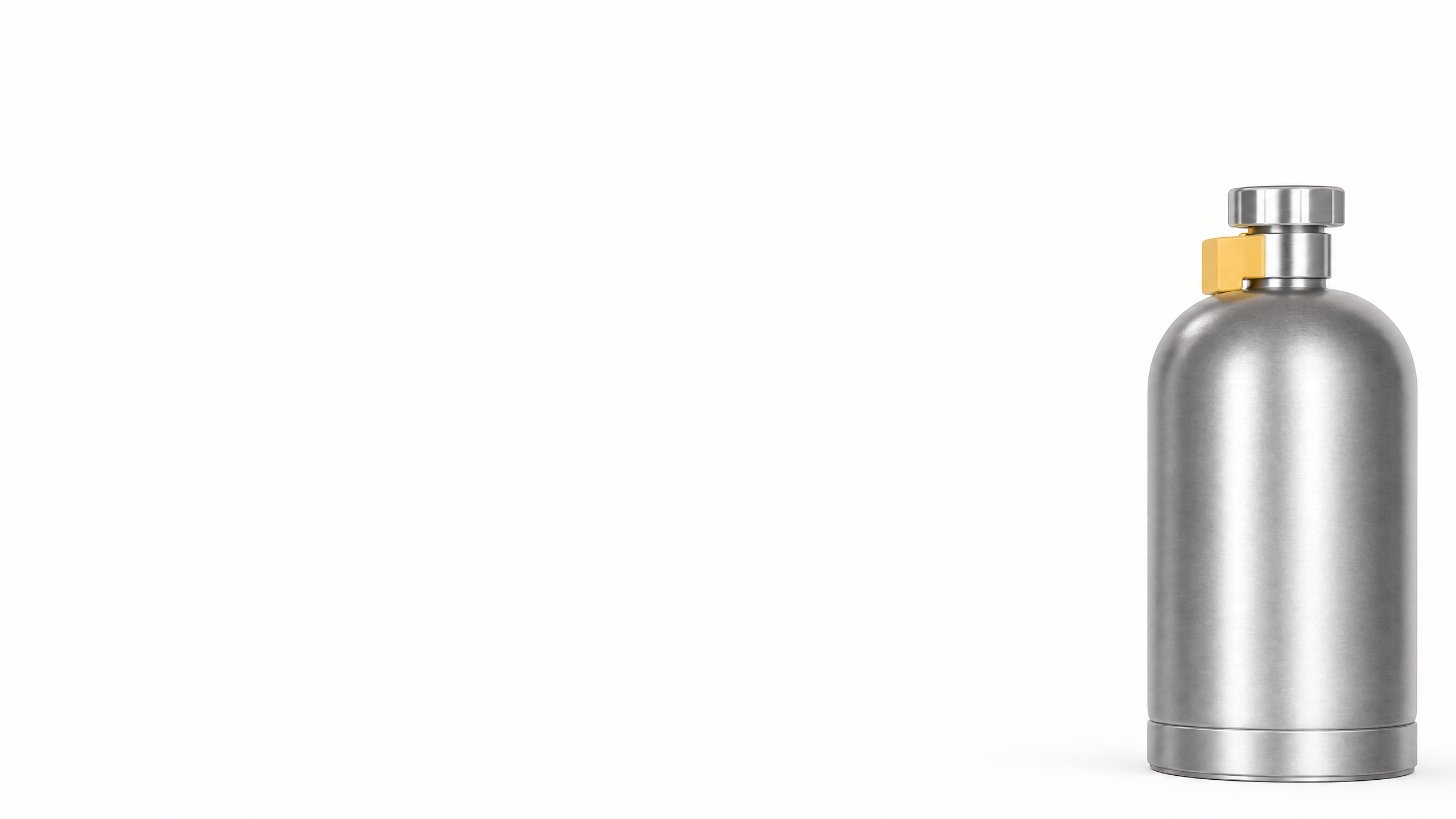
NOx, SOx and H₂S Below 1 ppm — CO₂ Pipeline Transport
Onshore oil & gas facility, ~100,000 m³/h: impurities held comfortably below 1 ppm ahead of pipeline entry; projected pipeline life extended by a decade; nitric-acid recovery route opened.
 Hard conditions
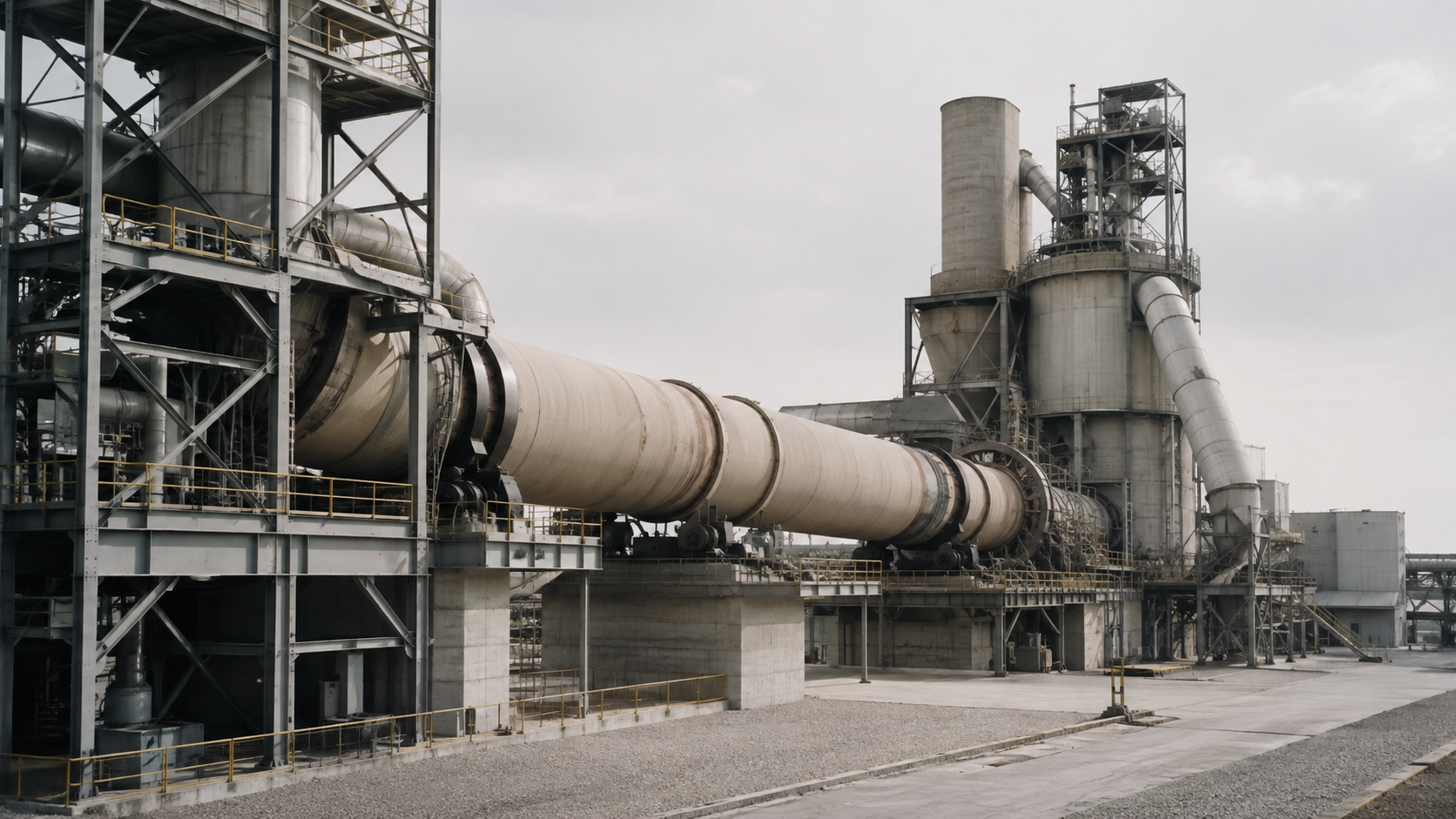
~10 ppm NOx Outlet on Hot, Dusty Kiln Gas — European Cement Group
Day-1 conditioning shown honestly; day-2 uptake stabilised above 85% at ~100 Nm³/h slipstream flow, with SOx co-capture.
CO₂ purification is its own discipline — ppb-grade polishing to transport and storage specs. It has its own page, its own proof, its own FAQ.
A different stream? The analysis will tell both of us honestly whether adsorption fits.
Start with a gas analysisCO₂ transport, shipping and storage purity, trace NOx/SOx/H₂S polishing to spec, down to ppb.
Processing facilities and engine rooms with NOx point sources; containerised, low-footprint retrofit.
Kiln lines with dust, humidity and load swings, the conditions our media has already survived.
Continuous, audited stacks; retrofit windows respected via slipstream pilots.
Process off-gases with mixed contaminants; media tuned to your chemistry after analysis.
If adsorption is not the right answer for your stream,
the report says so, and the analysis fee is refunded.
No. Pilot systems are containerised and connect to a slipstream of your stack; tie-in is planned around your normal operations, and outage windows, if any, are agreed in the feasibility study before hardware ships.
You have a NOx problem
We solve it
Measured first, then removed, proven at pilot scale on your own gas.
Or go straight to the data: Start with a gas analysis